
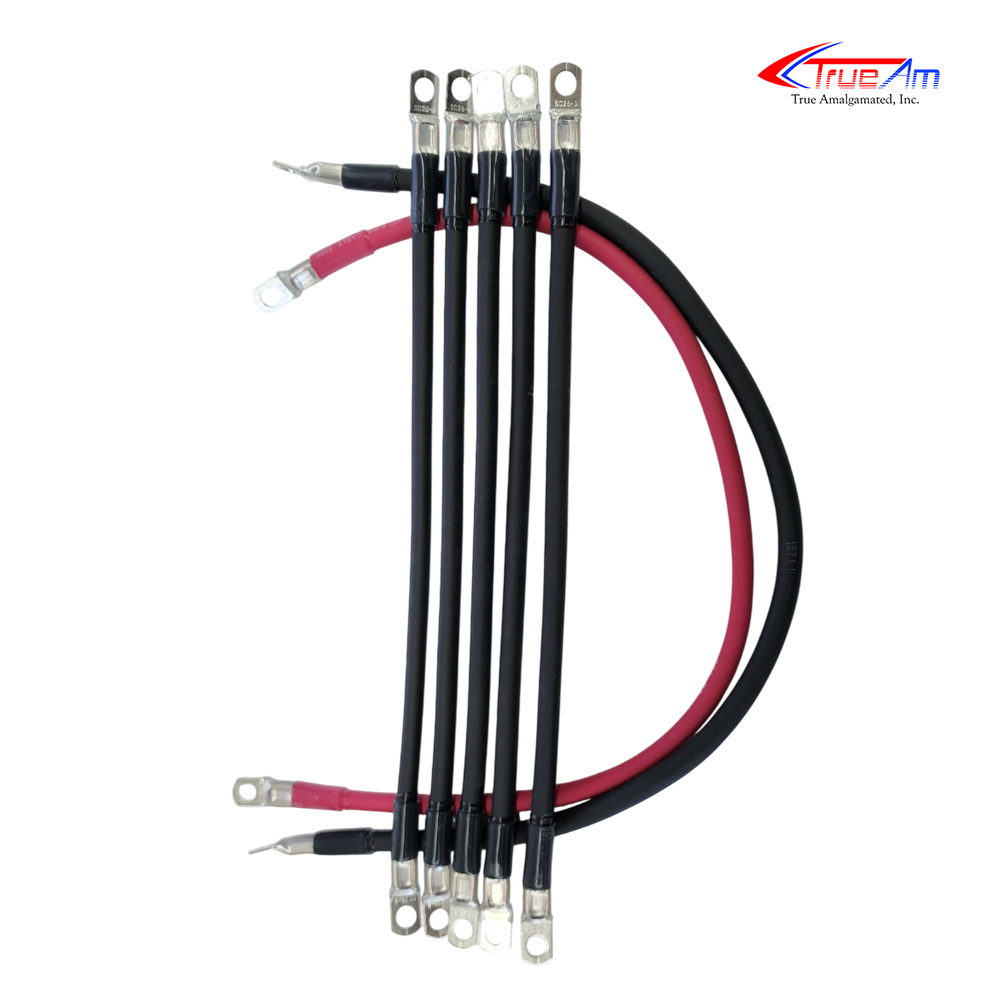
True® Complete 48-Volt Club Car Battery Cables
$ 28.84
True® Amalgamated 4-Gauge 7 pc Club Car DS 1995 & Up Complete Battery Cable Kit4 AWG HD 48-volt Club Car battery cables, a complete True® golf cart cable set. Best available 100% tinned copper crimp ends. Advanced feature: sealed with clear dual-walled adhesive-lined heat shrink. Terminals fit 5/16ths/8 mm studs. Standard heat shrink material does not seal the cable ends from infiltration of gases, acids, and moisture, which all result in CORROSION and loss of continuity and eventual failure.True® brand Club Car or golf cart battery cables are sealed with adhesive-lined tubing that provides a water-, acid-, and gas-tight seal, preventing anything foreign from reaching the fine copper strands of the cable. As close as you come to a “lifetime” cable.Trusted by Leading Brands Maintain Reliable Performance Reliable temperature range—can handle up to 105°C, ensuring reliable performance even in high-heat environments.Heavy-Duty Wiring & Components Industrial-grade cables, terminals, and connectors handle high current loads and are built for rugged use. Why Choose True® Battery CablesChoosing TrueAm (True Amalgamated) battery cables boils down to our premium build quality, which is specifically engineered to handle harsh, high-vibration, and wet environments.1. 100% Waterproof, Adhesive-Lined Sealing Standard battery cables usually rely on basic heat shrink tubing, which can let moisture creep into the wire over time. True Am uses a special clear, adhesive-lined shrink tube on all cable ends. When heated, the glue melts to form a completely airtight, waterproof barrier. This prevents internal moisture from causing hidden corrosion that drops your voltage. 2. High-Flexibility ("Hi-Flex") EngineeringIf you’ve ever tried to route thick 6-gauge or 4-gauge copper wire around tight corners in a cramped engine bay or under a UTV seat, you know how frustrating stiff cables can be. True Am cables are built with an incredibly high strand count and wrapped in a pliable PVC jacket. This "hi-flex" design allows you to bend and snake the cables easily around sharp corners without damaging the wire or kinking the insulation.3. Corrosion-Resistant Tinned Copper Ends The cable ends feature heavy-duty lugs made of tin-plated copper or heavy brass alloys. Copper is an excellent electrical conductor, but raw copper oxidizes quickly when exposed to air, water, and battery acid. Tin-plating the copper lugs provides superior resistance to oxidation and rust, ensuring your connection maintains maximum conductivity for years. 4. Optimized for Smart Dual-Battery SystemsTrueAm cables are rarely sold as just loose wires; they are precisely cut and spec'd to pair perfectly with their Smart Battery Isolators (SBI). They use heavy-duty PVC insulation engineered to withstand the extreme heat spikes of an off-road engine bay. The lengths and lug sizes are perfectly matched to common auxiliary battery setups, making installation a true plug-and-play process with no crimping required. The Takeaway: If you just need a standard replacement cable for a daily-driver sedan, True Am might be overkill. But if you are building out a secondary battery setup for winches, light bars, audio systems, or rugged off-road vehicles where a single power failure means getting stranded, True Am’s focus on weatherproofing and flexibility makes them worth the investment.Frequently Asked Questions What is the standard wire gauge for Club Car battery cables? A: Most stock Club Car models (DS, Precedent, Onward) come from the factory with 4 AWG (American Wire Gauge) cables. This is sufficient for standard, non-lifted carts used for golf. Why are my battery cables getting hot? A: Heat is caused by electrical resistance. This usually means the connection is loose, the terminal is dirty/corroded, or the cable itself is internally corroded (even if it looks fine on the outside). A hot cable is a fire hazard and should be replaced immediately. How can I tell if my club car battery cables are bad? Signs of worn or failing cables include: • Corroded or greenish battery terminals • Cracks, fraying, or visible damage to insulation • Difficulty starting or weak electrical power • Intermittent electrical issues If you see any of these, inspect and replace cables as needed. Do battery cable length and routing matter? Yes. Longer cables increase electrical resistance, lowering performance. Keep club car battery cables as short and straight as possible, and secure them away from heat or moving parts to prevent wear. What is the correct torque for tightening club car battery cables? Club Car Battery Cables generally recommends 95–105 in-lbs (approx. 8 ft-lbs).Warning: Do not over-tighten. The battery terminals are made of soft lead; over-tightening can strip the threads or melt the lead post, ruining the battery.
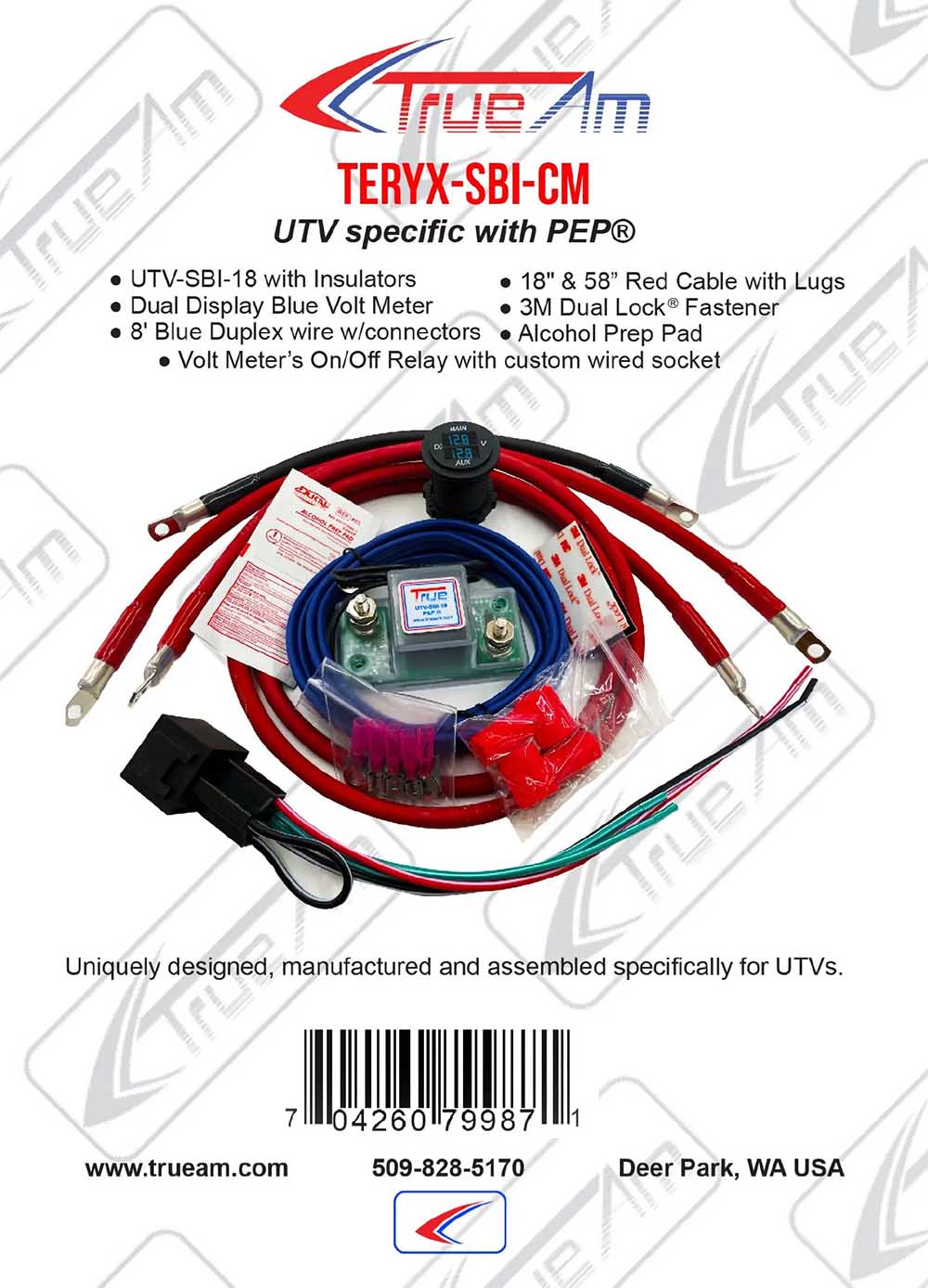
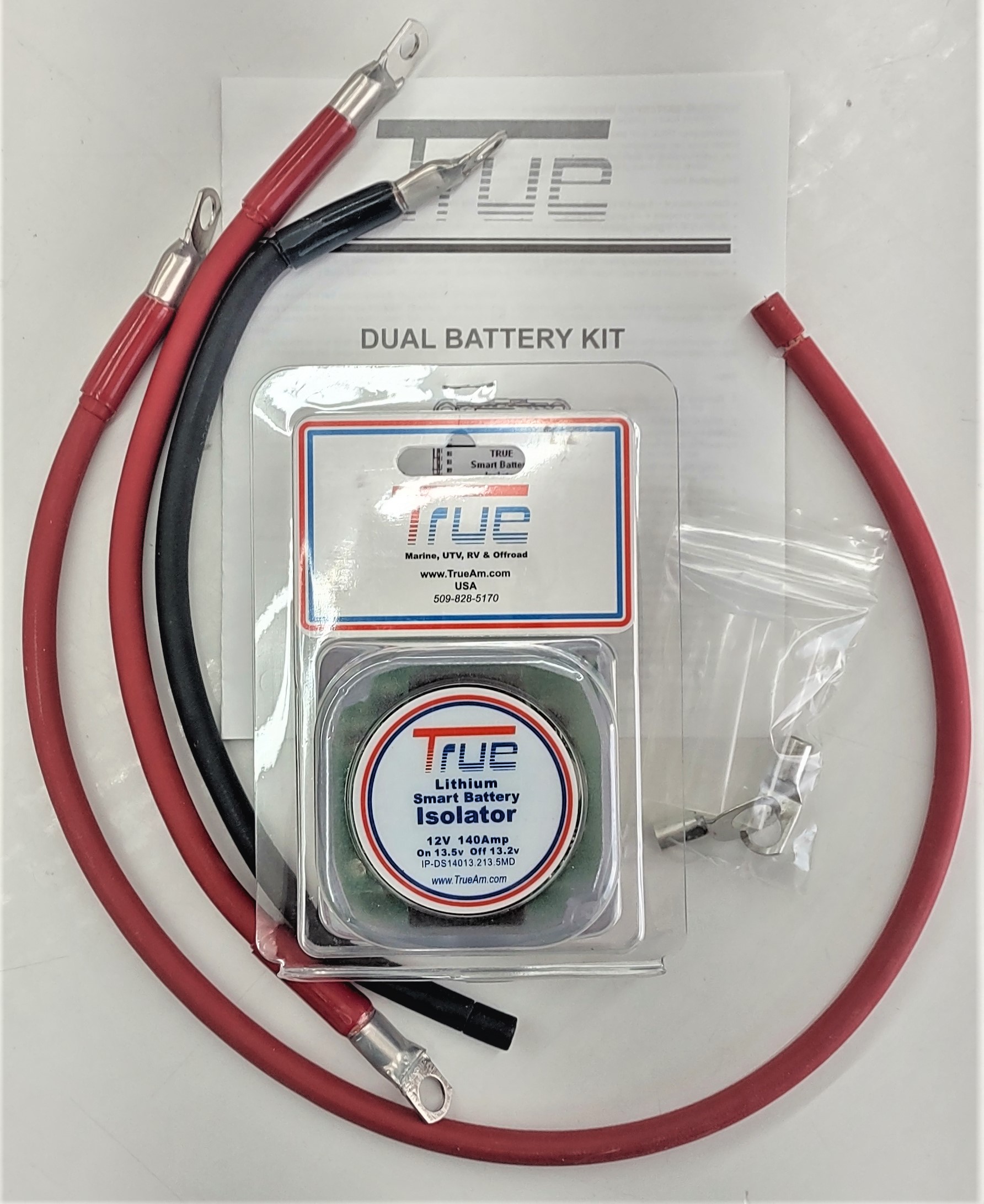
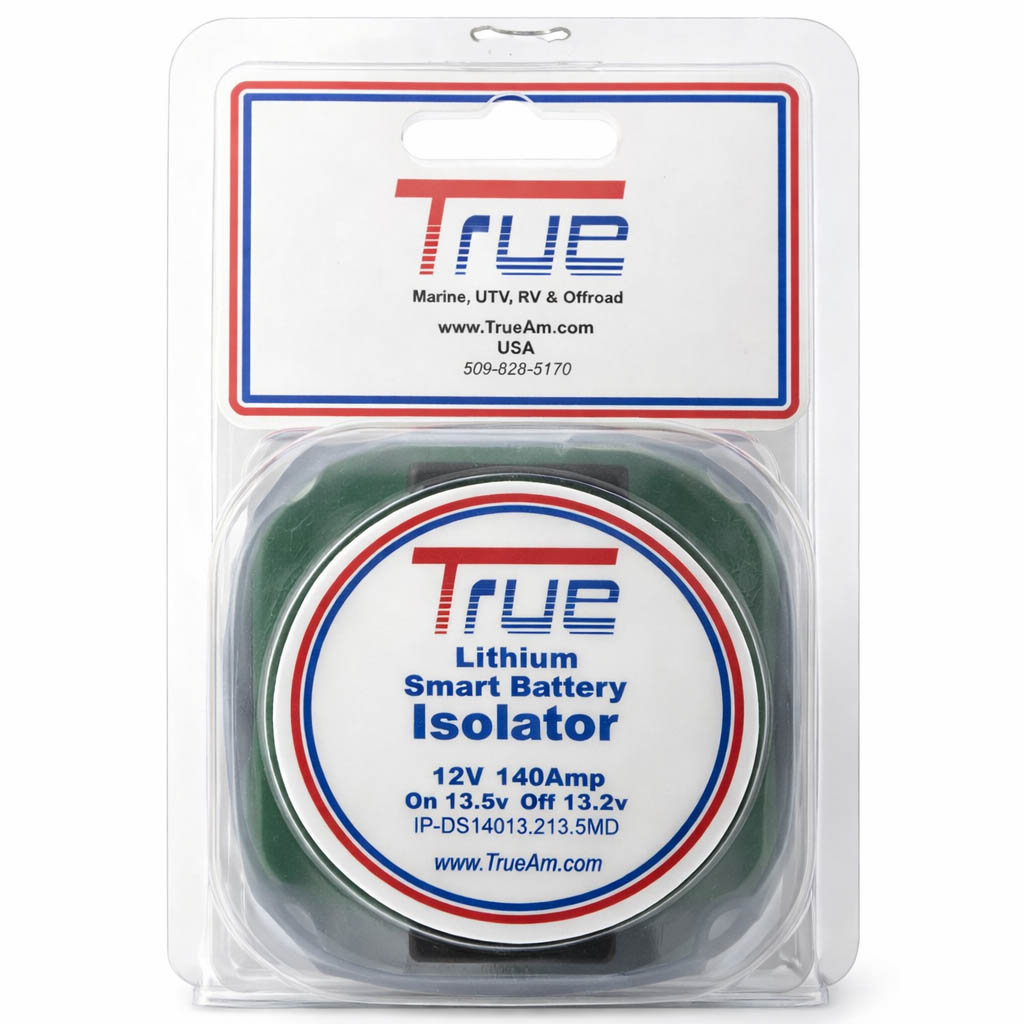
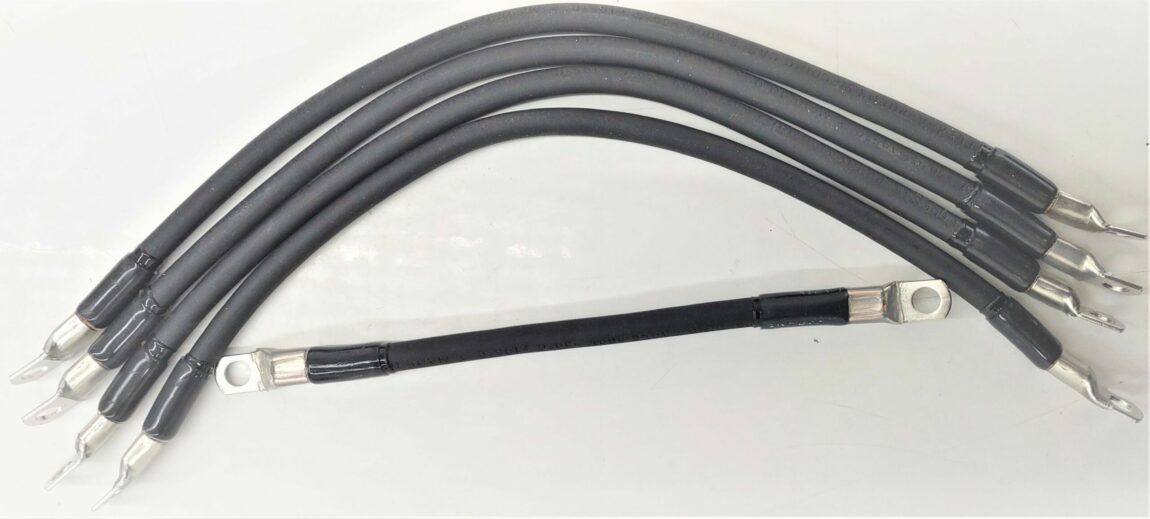 True®- Heavy Duty EZGO TXT Battery Cables
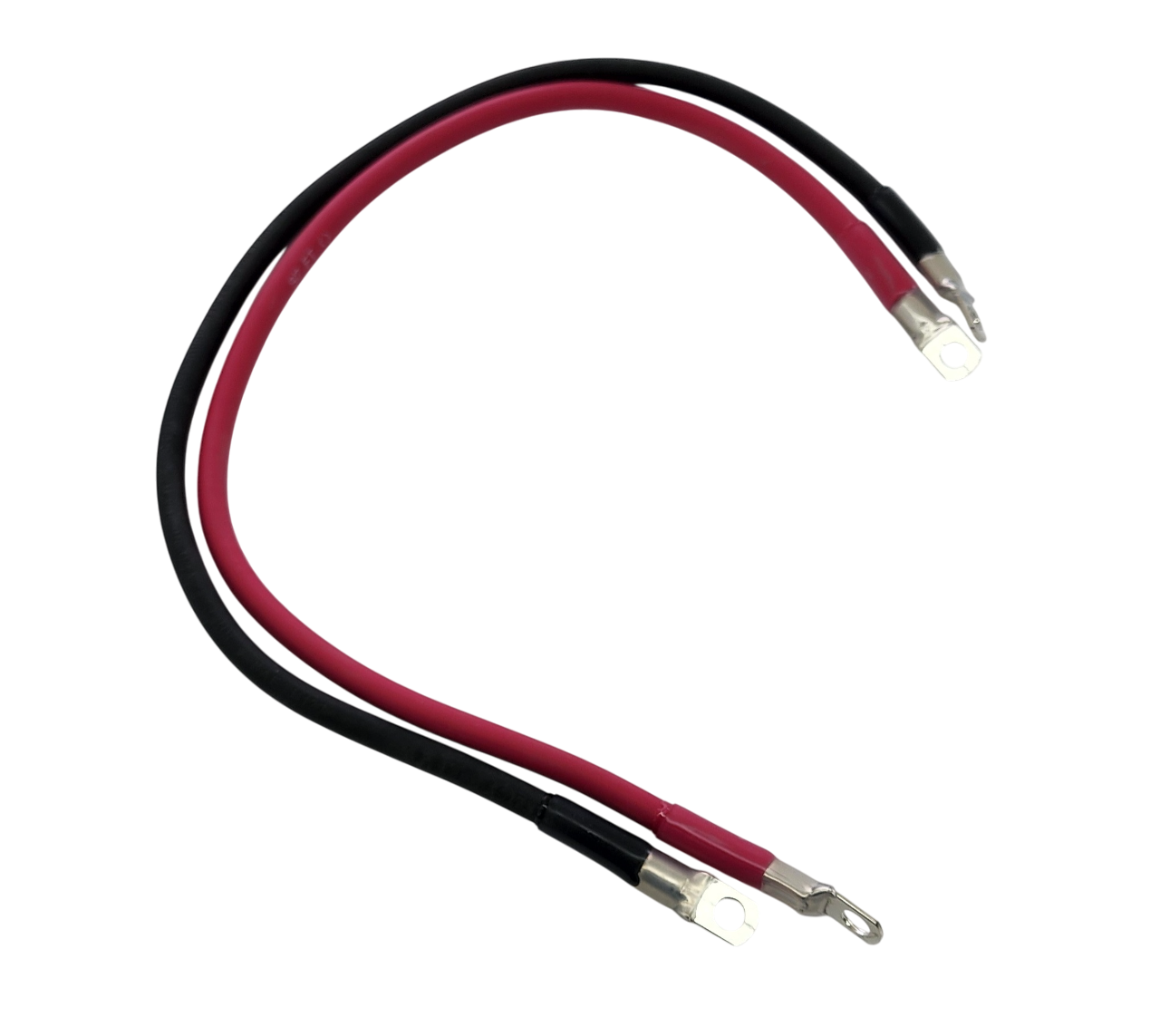 True® 24″ 4 AWG Copper Battery Cables
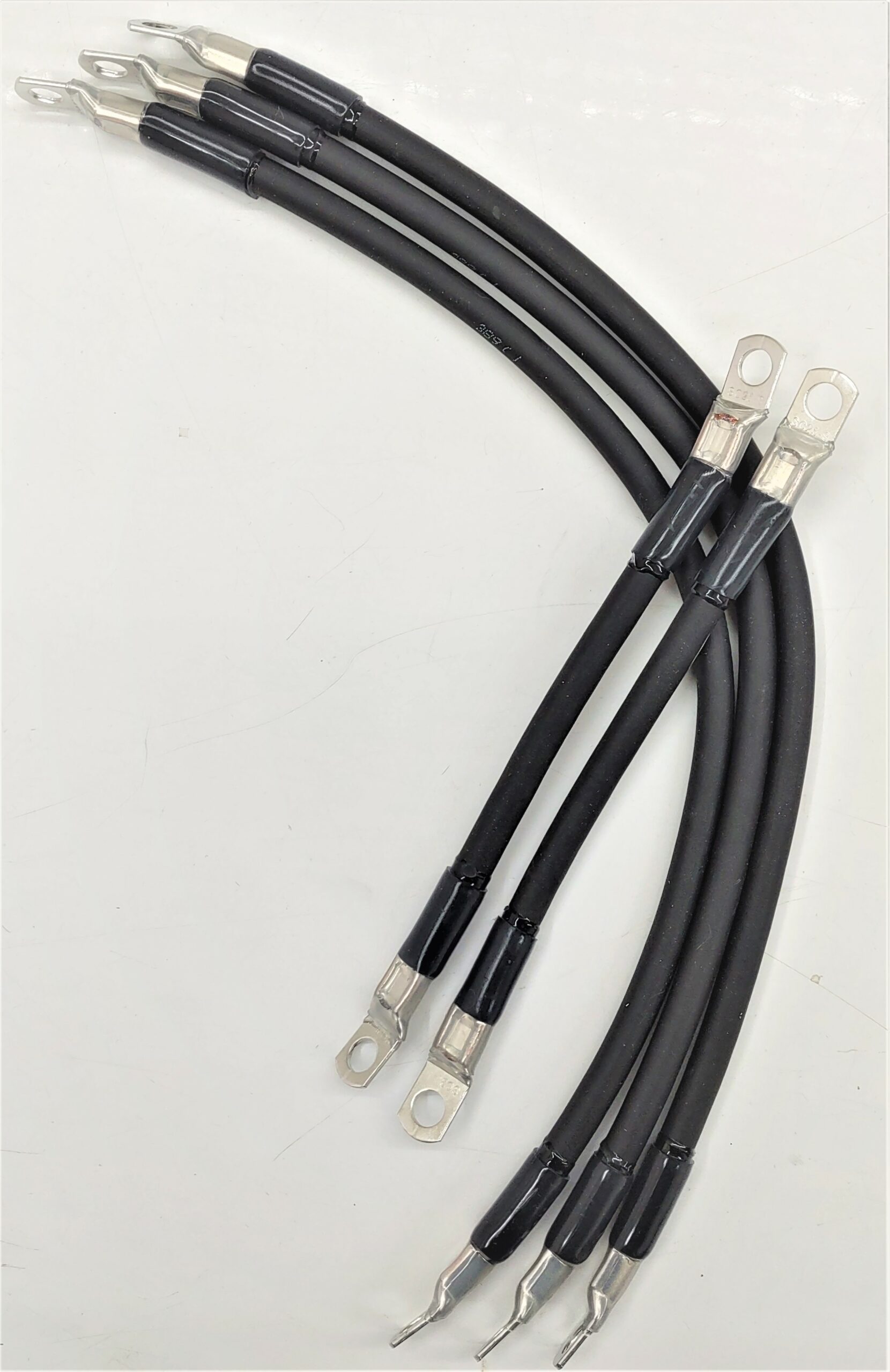 True® Yamaha Golf Cart Battery Cables